Everything you need to know about California's expanded learning programs, from ELO-P and ASES to funding, compliance, and program management.
California has made one of the largest investments in expanded learning programs in the country, creating new opportunities for schools and community organizations to support students before school, after school, during the summer, and throughout school breaks.
With that growth, however, comes added responsibility.
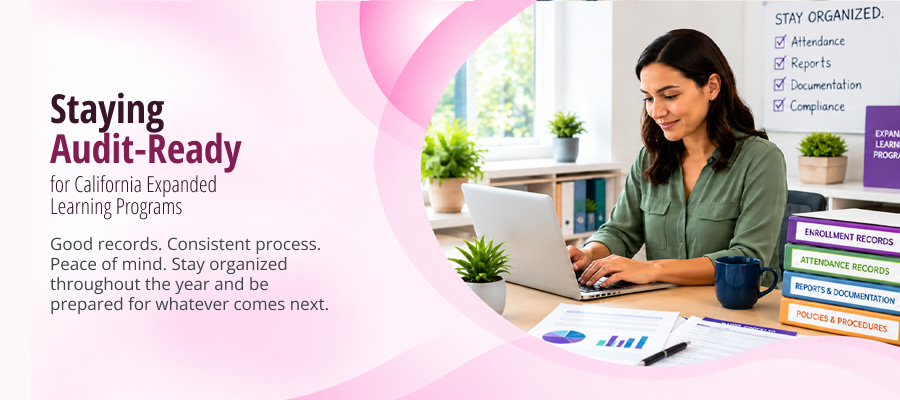
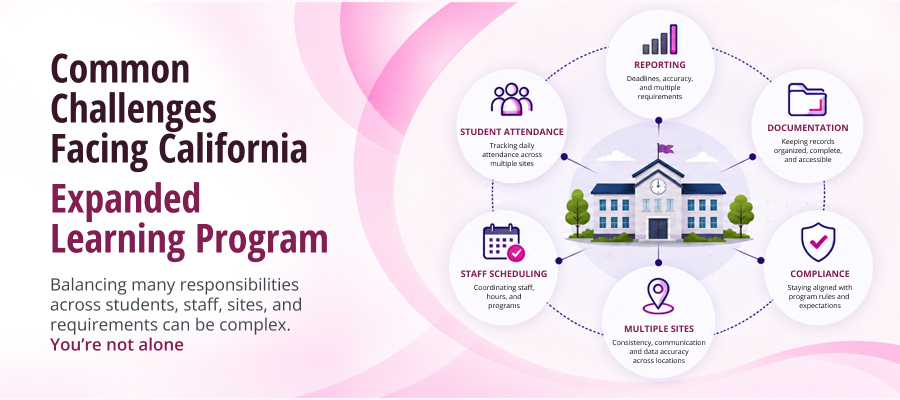
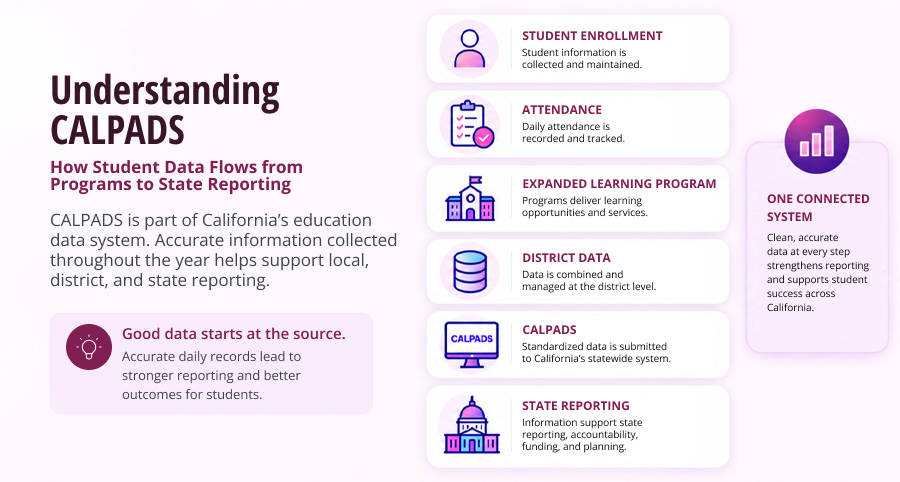
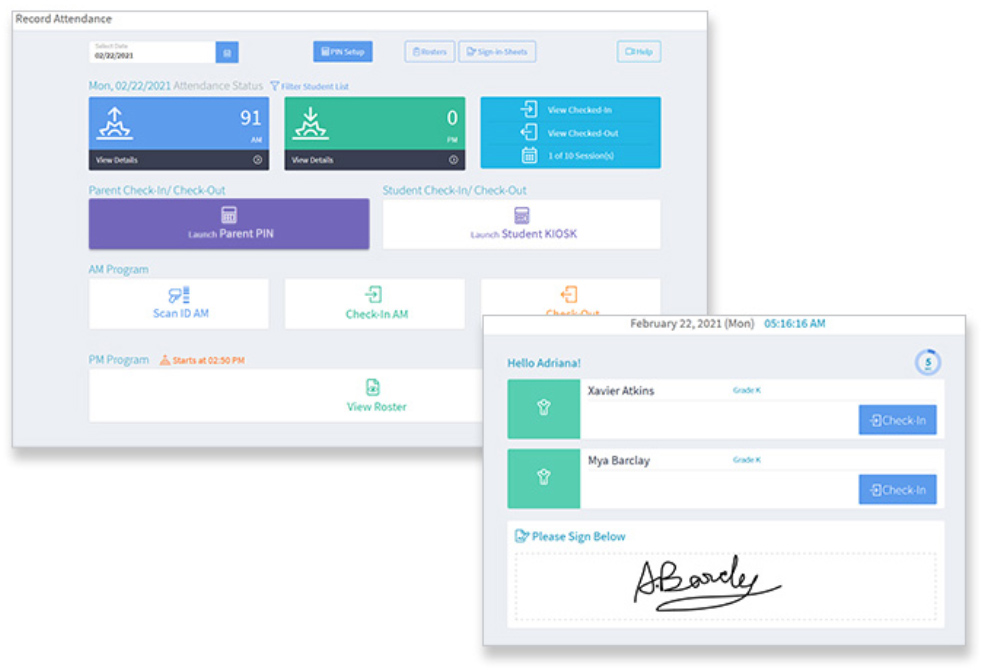
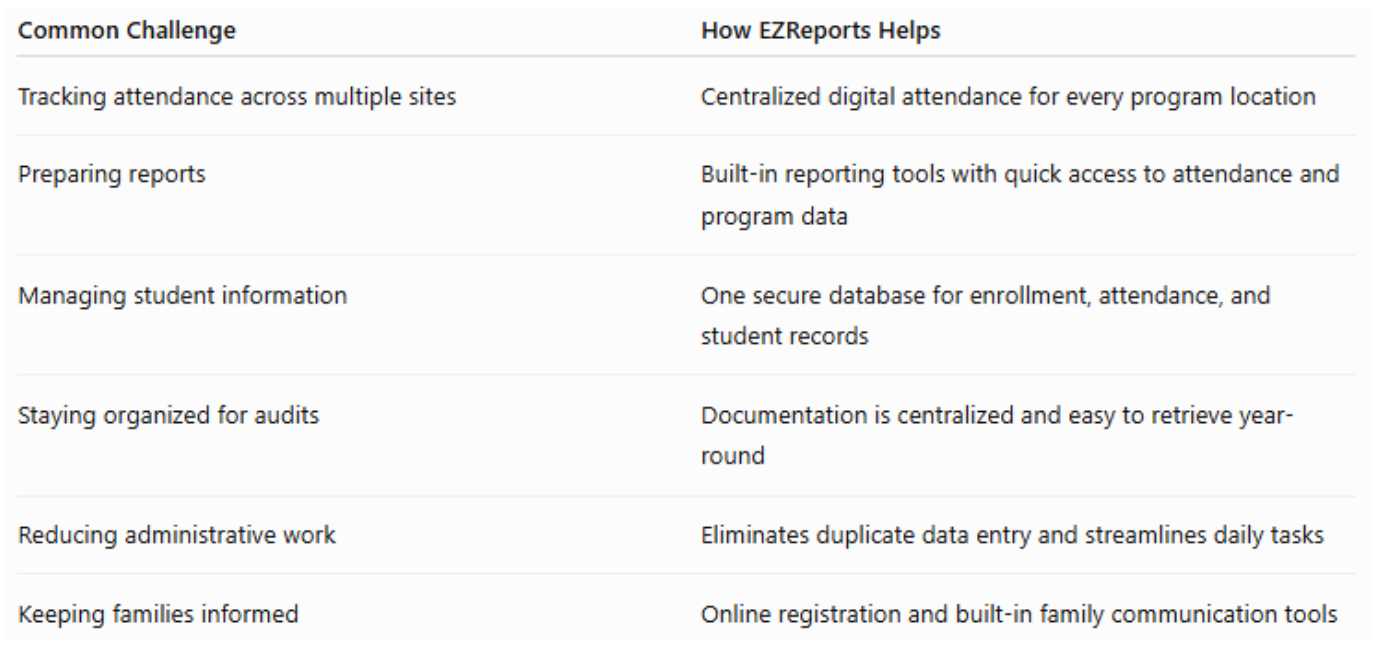
Program leaders today are expected to do much more than provide engaging activities. They also need to manage enrollment, track attendance, meet state and federal reporting requirements, prepare for audits, demonstrate program outcomes, and ensure funding requirements are met.
For many organizations, that's a lot to keep up with.
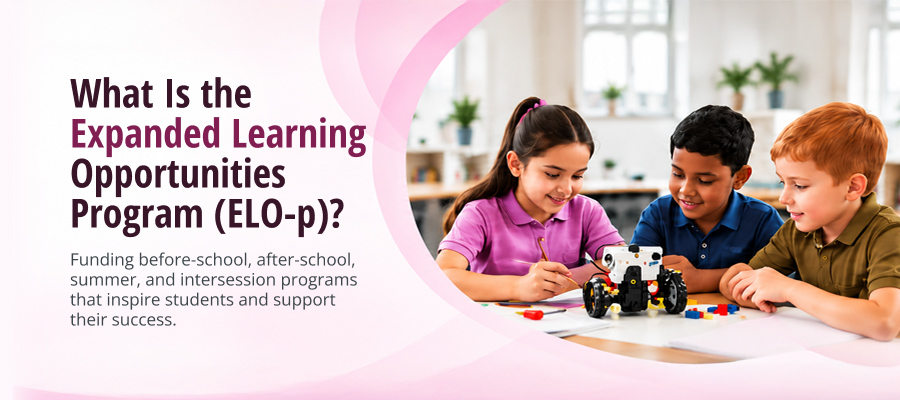
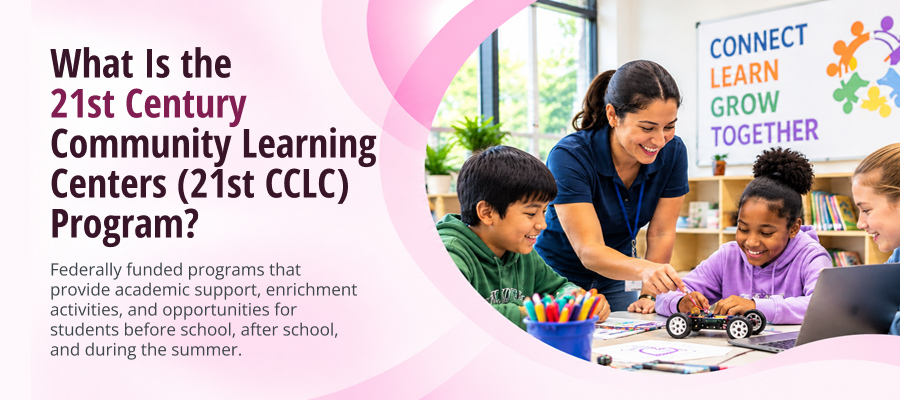
Whether you're launching a new Expanded Learning Opportunities Program (ELO-P), managing an existing After School Education and Safety (ASES) program, or overseeing a federally funded 21st Century Community Learning Centers (21st CCLC) grant, understanding California's requirements is essential to running a successful program.
This guide brings everything together in one place. We'll explain the major expanded learning programs, how they're funded, what reporting requirements to expect, common compliance challenges, and practical ways to simplify day-to-day program management.
Looking for software to manage your California expanded learning programs?
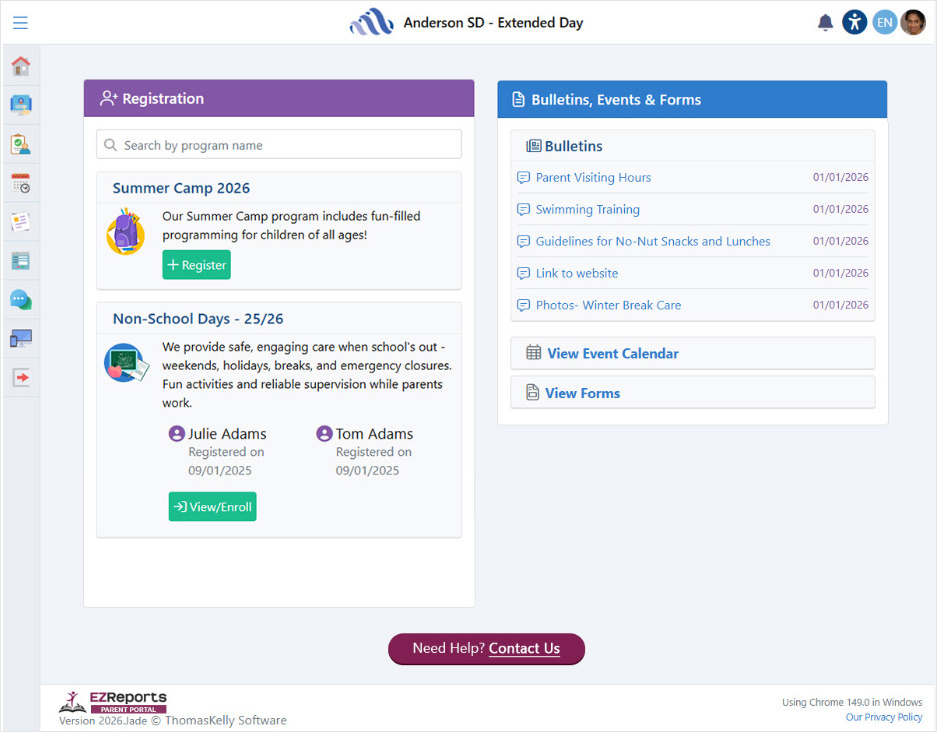
EZReports helps schools simplify registration, attendance, reporting, family communication, and compliance. If you're evaluating expanded learning management software, schedule a personalized demo to see how EZReports can help.